







Search Results for: Ice-Brewed Coffee

Are Cold Brew and Cold Drip the Same Coffee? A Clear Breakdown of Cold Brew and Cold Drip Classifications
When searching for iced coffee in summer, terms like cold brew, ice drip, ice-brewed, cold steep, Dutch coffee, and Kyoto coffee often leave people bewildered. In fact, these names all revolve around low-temperature extraction, yet there are differences in craftsmanship and semantics between them. This article starts from the broad concept of cold brew coffee, sorts out the two main paths of immersion and drip filtration, explains why ice-brewed coffee has the vaguest definition, and traces the origins of Dutch coffee and Kyoto coffee. It will also share Front Street Coffee's approach to bean selection when making low-temperature extracted coffee, helping coffee enthusiasts clarify concepts and choose the right flavor. [more…]
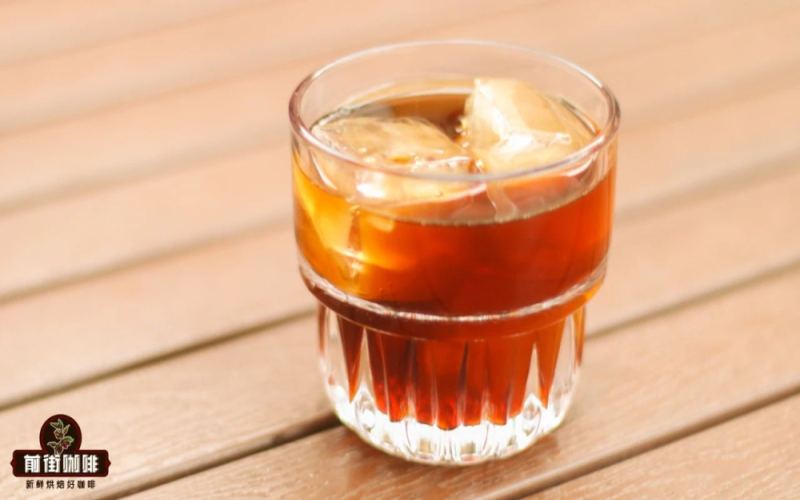
Coffee Types | What Are the Differences in Taste, Mouthfeel, and Characteristics Between Ice-Brewed Coffee and Cold Brew Coffee? How Long Can Ice-Drip and Cold-Brew Coffee Concentrate Be Stored in the Refrigerator?
For more specialty coffee knowledge, please follow our WeChat public account: Front Street Coffee (FrontStreet Coffee). Recently, Front Street came across a discussion asking "What's the difference between ice-brewed coffee and cold brew coffee?" Some replies said there was no difference, while others joked, "The difference is whether it's made by my hands. [more…]

What Is the Difference Between Ice Drip and Cold Brew Coffee? A Detailed Guide to the Ice-Brewed Coffee Process and Storage Tips
Ice drip coffee and cold brew coffee are often confused with each other—what exactly is the difference between the two? This article provides a comprehensive breakdown of the differences between ice-brewed coffee and cold brew coffee, covering extraction principles, equipment selection, brewing steps, and coffee bean recommendations. It details how beans such as Front Street Strawberry Candy, Huakui, and Flower Butterfly perform in ice drip brewing, and includes a complete ice drip procedure along with storage suggestions. Whether you prefer floral notes or fermented wine-like aromas, you'll find an iced coffee solution that suits you, while also learning about the respective flavor windows and storage key points for ice drip and cold brew. [more…]
An Analysis of the Differences Between Ice-Brewed and Cold Brew Coffee: Extraction Principles, Flavor Profiles, and Refrigeration Shelf Life
Ice brewed coffee and cold brew coffee are often confused with each other, but the two actually have their own nuances in terms of extraction method, time control, and flavor presentation. Ice brewing, or ice drip, uses a mixture of ice and water for slow drip filtration, takes several hours, and requires sealed aging; cold brew, on the other hand, uses cold water immersion, has simple equipment, and produces a mellow flavor. This article compares the key production points and taste differences of the two in detail, and answers the question about refrigeration storage time—ice drip is recommended to be consumed within three days, while cold brew can be kept for up to five days. At the same time, combined with Front Street Coffee bean recommendations, it helps enthusiasts choose beans such as Butterfly, Sherry Barrel, or Sun-Dried Huakui according to their preferences, making satisfying iced coffee at home with ease. [more…]

What exactly is cold brew coffee? From its origins to its making, one article to fully understand the difference between cold brew and iced coffee
Cold Brew Coffee, also referred to by some as cold-brewed coffee, ice-brewed coffee, or cold-steeped coffee. It involves putting ground coffee into room-temperature water, steeping and extracting for as long as 12 hours, then filtering out the coffee grounds; the resulting coffee liquid is cold brew, and it is also the most common type of iced coffee. Why is cold brew so well loved? It requires no pouring technique and has no water temperature requirements, making it practically a blessing for those who find pour-over coffee cumbersome. This article will comprehensively sort out every aspect of cold brew coffee, from its definition, historical origins, coffee bean selection, coffee-to-water ratio, grind size, to storage recommendations, and will also include Front Street's practical method to help you easily make a smooth, rich cup of iced coffee. [more…]
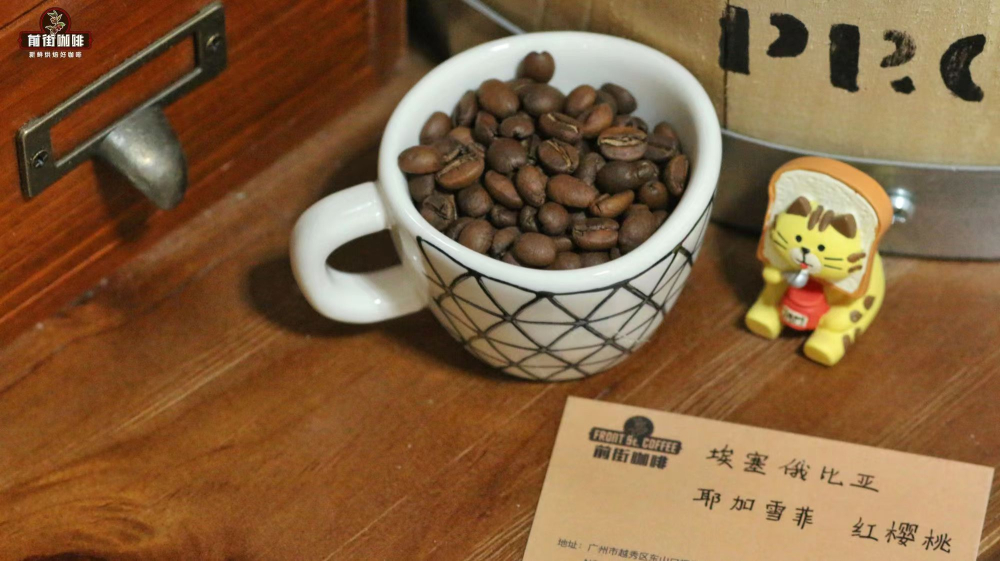
Cold Brew Coffee Recipe and Coffee Bean Recommendations | How Beginners Can Make Cold Brew at Home: Grind Size, Water Temperature, Time, and Ratio for Cold Brew
What is cold brew coffee? Cold brew coffee is Cold Brew Coffee, also known as cold-brewed coffee, ice-brewed coffee, or cold-brewed coffee. Put the ground coffee powder into room-temperature water, soak and extract for 12 hours, then filter out the coffee grounds, and the coffee liquid obtained is cold brew coffee. Cold brew coffee [more…]
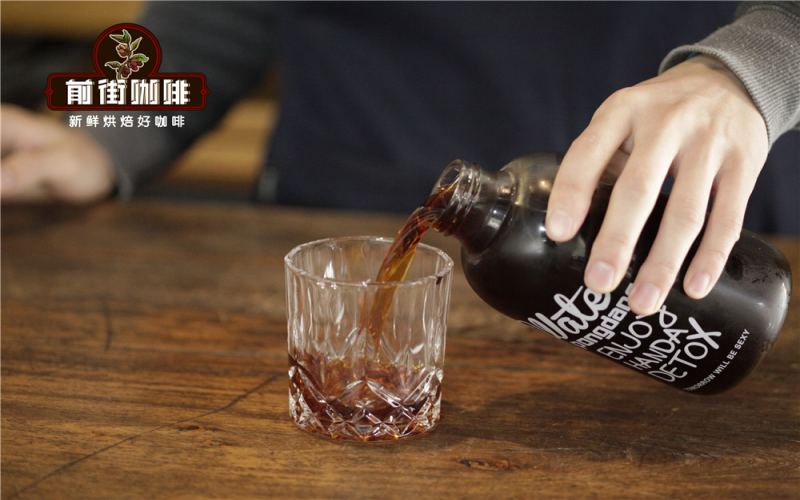
Ice Drip Coffee | Which coffee bean origin is recommended for making ice drip coffee? The origin and story of ice drip coffee
Ice drip coffee, also known as ice-brewed coffee or water-drop coffee, is called Ice Drip coffee in English and is a method of making coffee drinks. Generally, cold brew coffee refers to coffee made by steeping ground coffee beans in room-temperature water for as long as ten-plus hours, after which special filter paper or a filter is needed to separate the water from the coffee. [more…]
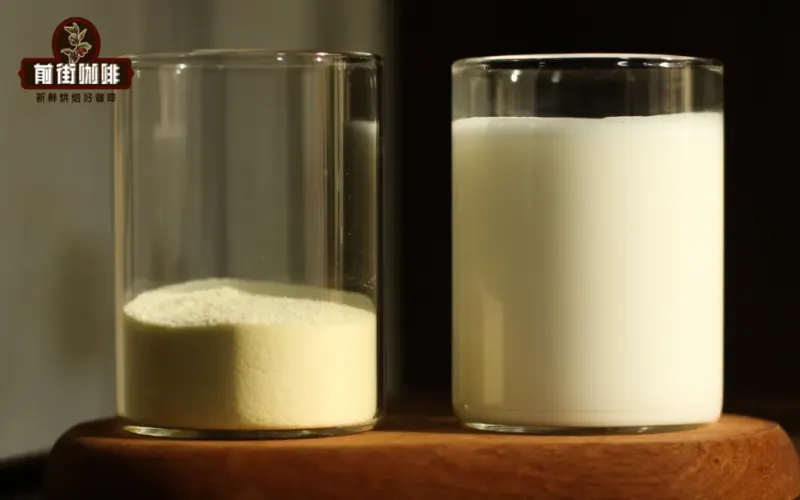
Latte Milk Source Selection Guide: Differences Between Purified Milk and Fresh Milk and Feasibility Analysis of Milk Powder
When making a high-quality latte, the choice of milk is crucial. The market is flooded with dairy products, from ordinary fresh milk to concentrated milk like IceBock, and then to plant-based milk—each type has its own unique expression. Concentrated milk, with its higher density, can elevate milk coffee to a qualitative leap in flavor and mouthfeel; while those with lactose intolerance can opt for plant-based milk as a substitute. So, why do so few people use milk made from milk powder to make lattes? Isn't milk powder also processed from milk? This article will analyze in detail the differences in performance of various milk sources in latte making, offer practical advice, and recommend related products from Front Street Coffee to help you make a satisfying milk coffee at home. [more…]
Is the caffeine content of cold brew coffee high? A selection of cold brew coffee beans perfect for summer
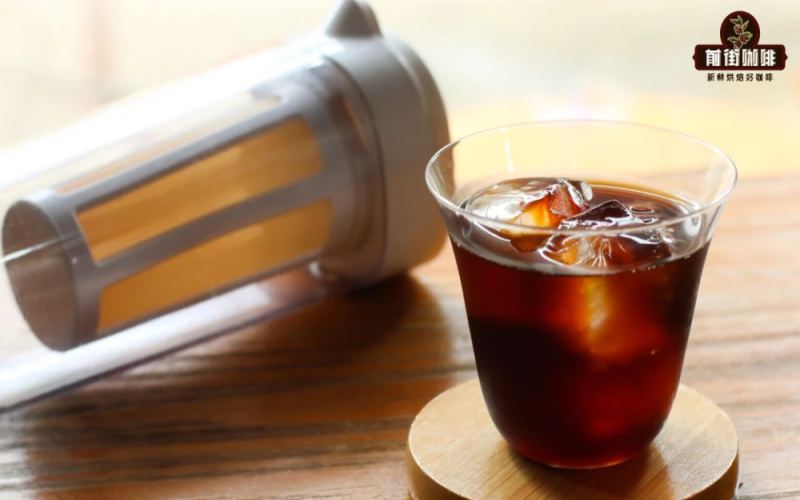
Cold brew coffee has swept the globe in recent years, becoming a popular summer drink thanks to its refreshing taste and bright floral and fruity aromas. It is made by steeping coffee in cold water for a long time, similar in principle to cold-brewed tea. However, many people wonder whether cold brew coffee has a higher caffeine content. In fact, the amount of caffeine mainly depends on the bean variety, the coffee-to-water ratio, and the steeping time. In addition to answering this question, this article will also recommend several coffee beans suitable for making cold brew based on different flavor preferences, including Front Street Panama Butterfly, Front Street Strawberry Candy, and Front Street Brazil Queen's Farm, along with brewing suggestions to help you easily make a delicious cup of cold brew. [more…]
Is Cold Brew Coffee High in Caffeine? A Curated Cold Brew Bean List: How to Choose Between Light-Medium Roast Floral-Fruity Notes and Dark Roast Full-Bodiedness
Cold brew coffee has become a popular summer drink in recent years. It is made by steeping coffee grounds in cold water at a low temperature for a long time, resulting in an icy, refreshing taste and an aroma profile completely different from hot brewing. Many people wonder whether cold brew contains more caffeine; in fact, both steeping time and water temperature affect the final caffeine content. To make a delicious cold brew, bean selection is key: light to medium roasts more easily bring out a refreshing, floral-and-fruity-tea-like flavor, while medium-dark roasts are better suited to pairing with milk, delivering a sweet, mellow experience without bitterness. This article focuses on the caffeine questions surrounding cold brew, bean selection, and whether dark-roasted beans can be used for cold brew, and recommends three distinctive coffee beans—Front Street Coffee Panama Butterfly, Front Street Coffee Strawberry Candy, and Front Street Coffee Brazil Queen Estate—to help you easily make your ideal iced coffee at home. [more…]
What is the difference between ice drip coffee and cold brew coffee? From brewing principles to flavor and mouthfeel, explained clearly in one go.
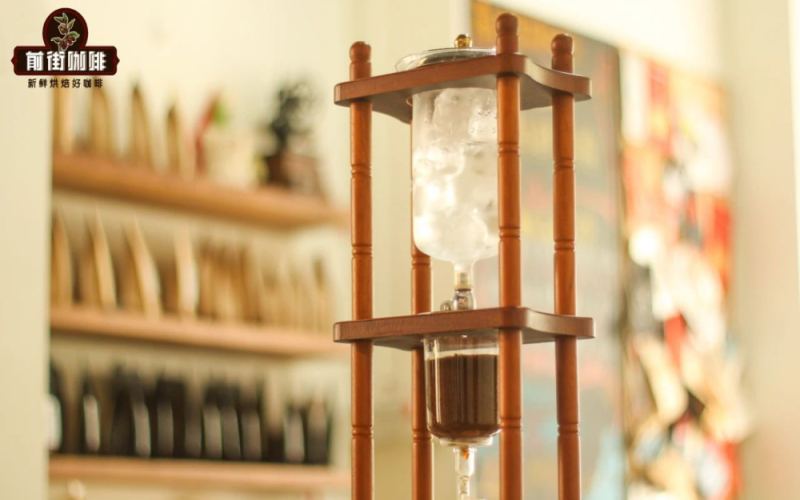
Both ice drip coffee and cold brew use low-temperature extraction, but one is drip-style while the other is immersion-style, and this subtle difference in technique can make the same beans present completely different flavor profiles. From the perspective of Front Street, this article sorts out the historical origins, brewing principles, and tasting differences of the two, and uses lightly roasted Ethiopian Santavini beans to make cold brew and ice drip separately for comparison, helping you understand their respective characteristics and find the cup that better suits your taste. [more…]
Benefits of Cold Brew Coffee | What Is the Extraction Principle of Cold Brew Coffee? Which Coffee Beans Are Suitable for Cold Brew? What Is the Best Water-to-Coffee Ratio for Delicious Cold Brew?
For more specialty coffee knowledge, please follow: Front Street Coffee (Frontsteet Coffee) Cold brew coffee is also known as ice-brewed coffee. Unlike ice drip coffee, cold brew coffee needs to be fermented in the refrigerator for 8-12 hours, otherwise the coffee's body, fullness, and aroma will not be brought out. Also [more…]

What Are the Differences Between Cold Brew, Ice Drip, Cold Brewed, and Iced Coffee? A Complete Guide to the Craft, Flavor, and Bean Selection of Four Types of Iced Coffee
Although they are all iced coffee, cold drip, cold brew, cold extraction, and iced chilling are often lumped together. They appear to all rely on low temperatures, but in reality their extraction paths, time requirements, and flavor directions are each different: cold drip emphasizes slow dripping and a fermented character, cold brew uses long soaking in exchange for a clean and smooth result, while iced chilling is a quick solution involving hot extraction followed by rapid cooling. This article breaks down the differences among the four from the perspectives of brewing principles, water flow control, water-to-coffee ratio, grinding, and bean selection, while retaining specific recommendations such as Front Street Coffee Mandheling and Yirgacheffe, to help coffee lovers make more suitable choices in different scenarios. [more…]
What's the Difference Between Cold Brew Coffee and Iced Americano? A Full Breakdown of Low-Temperature Extraction Flavor Characteristics, Cold Brew Making, and Storage
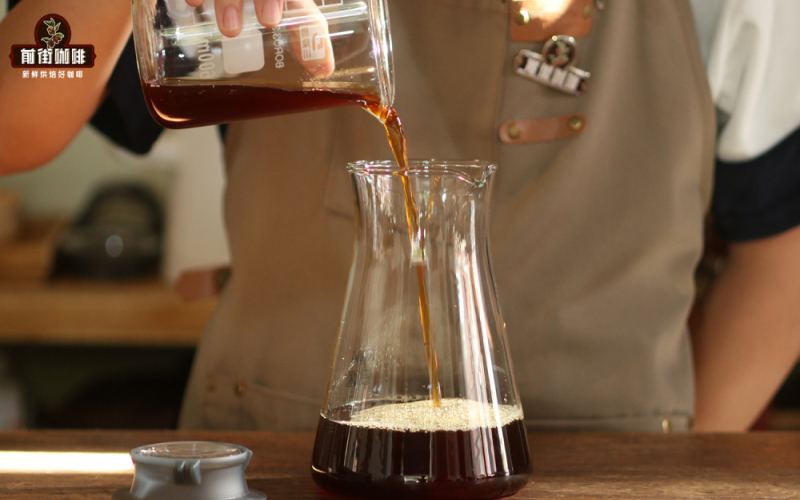
Although cold brew coffee and iced Americano are both iced coffee drinks, the core difference lies in the extraction temperature: cold brew uses low-temperature long-steeping, while iced Americano is hot espresso diluted with water and then poured over ice. Low-temperature extraction reduces the release of bitter compounds while fully preserving the sweet and sour flavors, so cold brew tastes cleaner and fuller; Americano, on the other hand, is rich, bold, and robust. This article explains in detail the brewing principles and flavor differences of the two, and shares a cold brew coffee brewing tutorial, suitable coffee bean choices, and storage period recommendations, helping you understand and make cold brew coffee more professionally. [more…]

How to properly fold a pour-over coffee filter? Master the key steps for a more perfect fit in the dripper
When brewing pour-over coffee, how well the paper filter fits the dripper directly affects the extraction. Many enthusiasts use a pressing technique yet still find that the filter won't sit flush, and the root cause often lies in the folding step. After customers reported this issue at their stores, Front Street Coffee put together a detailed demonstration of the correct way to fold a cone-shaped paper filter. From folding along the seam and pressing the crease to the technique for securing it once it's in the dripper, every step matters. This article reproduces the entire process, explains how to handle specialty filters such as non-woven ones, and shows how to make the filter sit snugly for iced pour-over without wetting it first—so you can brew a consistent, great-tasting cup at home. [more…]
How to Make Cold Brew Coffee: A Complete Guide to Coffee-to-Water Ratio, Grind Size, and Steeping Time
Cold brew coffee is a popular item in coffee shops during summer, but it's often available in limited quantities, so getting a cup depends entirely on luck. In fact, making cold brew at home isn't complicated—the key lies in mastering the coffee-to-water ratio, grind size, and steeping time. Drawing on the practical experience of Front Street Coffee, this article explains in detail the difference between cold brew and ice drip, the advantages of low-temperature extraction, recommendations for coffee beans suitable for cold brew, as well as specific brewing parameters and precautions, helping coffee lovers make a full-bodied, clean, and refreshing cup of cold brew right in their own refrigerator. [more…]
How to drink cold brew coffee for maximum flavor? A detailed explanation of the underlying fermentation principles and three Front Street concentrate recipes.
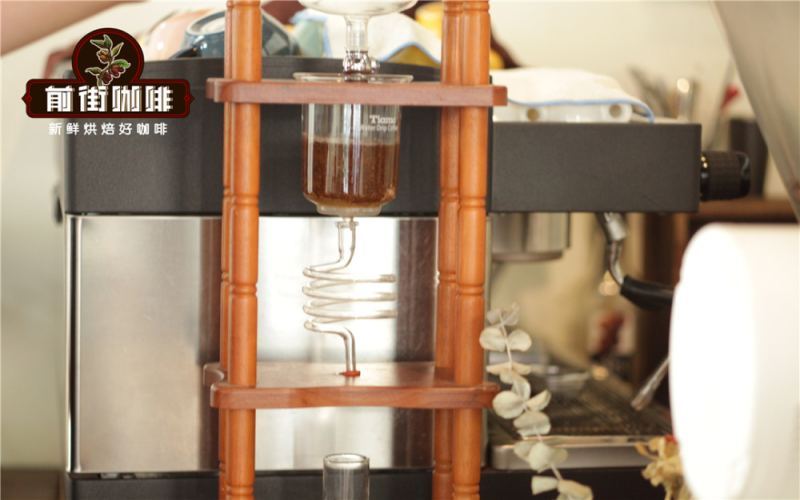
Cold brew coffee is a method of extracting coffee with ice water at low temperatures, completely different from regular pour-over. It originated from the invention of the Dutch on the island of Java in the 17th century, using condensed water pressure to drip through coffee grounds one drop at a time, taking up to 8 hours. Cold brew coffee has a unique flavor and needs to be refrigerated and fermented after extraction, reaching its best state on days 3 to 7, with a complex aroma reminiscent of fermented rice wine. This article explains in detail the steps for making cold brew coffee, key points for fermentation and storage, and shares three cold brew recipes commonly used by Front Street Coffee—dark berry type, light and clean type, and sweet and delicious type—to help you easily make a delicious cold brew suitable for summer. [more…]
Key points for making cold brew coffee and flavor variations, plus an analysis of the parameter differences from iced pour-over
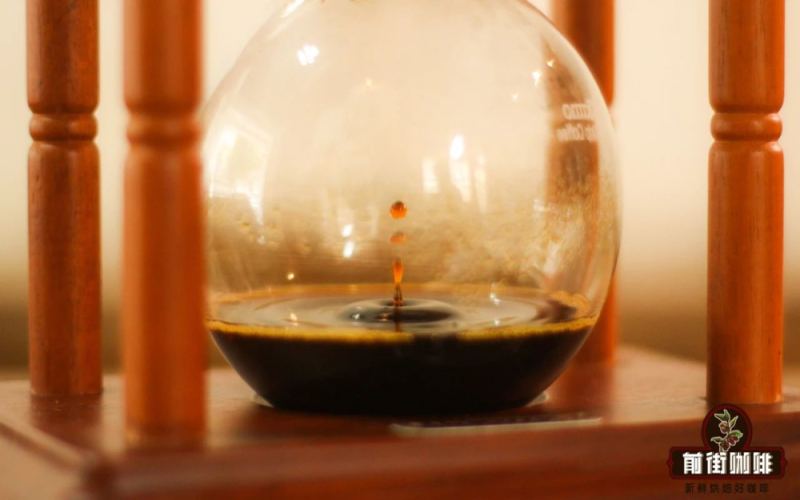
Cold brew coffee is often served in limited quantities in cafés because a single batch can easily take over eight hours to make. This cold coffee drink, which originated in Europe and is said to have been invented by the Dutch, is also known as DUTCH COFFEE. Because it relies on water dripping naturally through the coffee grounds and then falling drop by drop into the lower vessel to be collected, it is also called water-drip coffee. It is completely different from the simple method of adding ice to hot coffee: the former is low-temperature extraction, while the latter is brewed with hot water and then cooled. This article will cover the production steps of cold brew, bean selection ideas, drip rate control, refrigeration and aging, as well as the specific parameters for iced pour-over, to help coffee lovers clarify the differences between the two kinds of iced coffee, and provide Front Street Coffee bean recommendations and practical reference. [more…]
The extraction principle and operating process of cold brew coffee, along with Front Street Coffee bean recommendations suitable for making it.
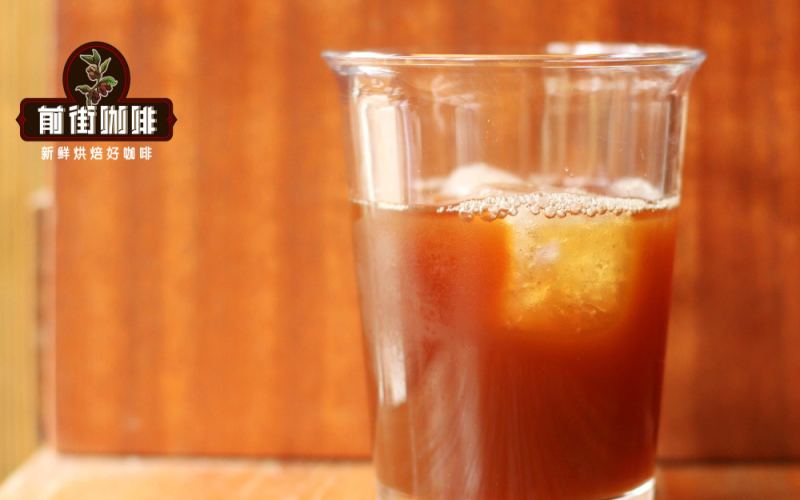
Cold brew coffee is a popular iced coffee in summer, also known as Dutch drip coffee or water drip coffee. It relies on ice water dripping through the coffee grounds one drop at a time, undergoing low-temperature extraction over several hours to slowly dissolve the aromatic substances in the coffee. This brewing method requires controlling the drip rate, typically 40–50 drops per minute, and extracting 1000ml takes about 5 to 8 hours. The finished cold brew coffee tastes even better after refrigerated storage, with days 3 to 7 often regarded as the optimal drinking period. As for which beans to choose, it is recommended to prioritize light to medium roast single-origins with pronounced fruity notes and prominent aromas. In addition to outlining the principles of cold brew preparation and six operational steps, this article will also introduce four Front Street Coffee beans suitable for cold brew, including Front Street Huakui, Front Street Kenya Little Tomato, Front Street Sidra, and Front Street Butterfly, for coffee enthusiasts' reference. [more…]

Ice Drip Coffee Maker Brand Recommendations and Usage Tips, Ice Drip Coffee Bean Selection and Price Analysis
Cold brew coffee, as a low-temperature extraction coffee drink, is favored by many coffee lovers for its refreshing taste and rich flavor. But what details need attention when making a good cup of cold brew coffee? From bean selection, grind size, coffee-to-water ratio, to drip rate and storage method, every step affects the final flavor. This article will analyze the key points of making cold brew coffee in detail, recommend several Front Street Coffee beans suitable for cold brew, and answer common questions about cold brew coffee maker brands and prices. [more…]